


Some Rooms Are Hotter Than Others? Here’s How You Can Fix It

Have you ever walked from a cool living room into a bedroom that feels like a sauna? Uneven temperatures are a common problem for homeowners, especially during hot summer months. While one room might feel perfectly comfortable, another can be stuffy, humid, or difficult to cool down. The good news is that you don’t always need a major home renovation to fix the problem. Understanding what causes temperature differences can help you find simple solutions and know when it’s time to call a professional.
Check Your Air Vents and Filters
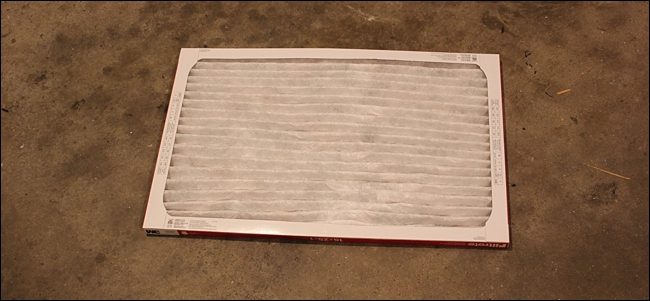
One of the first things to check is whether your air vents are blocked. Furniture, curtains, rugs, and other household items can prevent cool air from circulating properly. A dirty air filter can also restrict airflow, making it harder for your cooling system to distribute air throughout your home. Check your vents to make sure they’re open and unobstructed, and replace your air filter according to the manufacturer’s recommendations. These small steps can make a noticeable difference in how evenly your rooms cool down.
Look for Problems With Your Heating and Cooling System
Sometimes, uneven temperatures point to a problem with your home’s heating and cooling equipment. If your air conditioner runs constantly but certain rooms remain warm, the system may not be cooling effectively. Low refrigerant levels, malfunctioning components, or other mechanical issues can affect performance. For homes experiencing heating problems during colder months, professional Emergency furnace repair services may also be necessary to restore reliable indoor comfort. If temperature differences persist despite basic troubleshooting, consider scheduling an inspection with a qualified HVAC technician.
Inspect Your Ductwork for Leaks
Your ductwork carries conditioned air from your HVAC system into different rooms. When ducts develop leaks, cracks, or disconnected joints, some of that air escapes before reaching its destination. Rooms farther from the system may receive less cool air, while others stay comfortable. Damaged or poorly insulated ducts can also waste energy and increase utility bills. A professional can inspect the ductwork, identify problem areas, and recommend repairs or insulation improvements to help distribute air more evenly.
Pay Attention to Windows and Sunlight
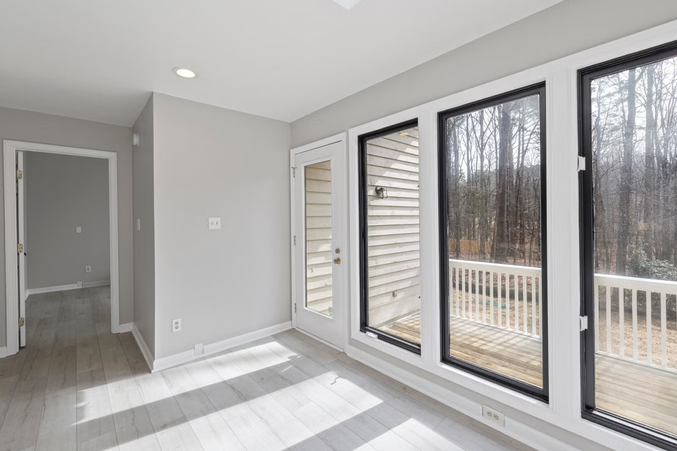
Sunlight can make a big difference in how warm a room feels. Bedrooms with large south- or west-facing windows often absorb more heat during the afternoon, particularly in sunny climates. Dark curtains, limited shade, and older windows can make the problem worse. Try closing blinds during the hottest parts of the day, using blackout curtains, or adding exterior shading where practical. Sealing gaps around windows and doors can also help prevent warm outdoor air from entering and making your cooling system work harder.
Consider Your Home’s Insulation
Insulation does more than keep your home warm during winter. It also helps prevent unwanted heat from entering during summer. Rooms with insufficient insulation, especially those near an attic or directly beneath the roof, can become noticeably hotter than the rest of the house. Check for signs of poor attic insulation and drafts around exterior walls. Improving insulation and sealing air leaks can help maintain more stable indoor temperatures throughout the year. If one upstairs room consistently feels much warmer, the attic is a good place to start investigating.
Adjust Your Thermostat Settings
Your thermostat plays an important role in maintaining a comfortable home. If it’s located in a naturally cool hallway or a room that receives little sunlight, it may register a comfortable temperature while other rooms remain warm. As a result, your HVAC system might shut off before the hottest areas reach the desired temperature. Make sure your thermostat is positioned away from direct sunlight, drafts, and heat-producing appliances. A programmable or smart thermostat may also help you manage temperature settings more effectively based on your daily routine.
Improve Air Circulation Throughout Your Home
Sometimes, a room feels hotter simply because air isn’t moving around it effectively. Ceiling fans can help circulate air and create a cooling sensation, although they don’t actually lower the room’s temperature. During warm weather, set ceiling fans to rotate counterclockwise if the model supports that setting. Keep interior doors open when practical to encourage airflow, especially in rooms that tend to feel stuffy. If certain areas still receive very little conditioned air, an HVAC professional can assess whether your system needs airflow balancing or another adjustment.
Hot and cold spots around your house can result from blocked vents, ductwork problems, sunlight, poor insulation, or an HVAC system that isn’t performing properly. Start with simple checks, such as cleaning filters and managing sunlight, before considering more involved solutions. If the problem continues, a professional inspection can help identify the cause and restore consistent comfort throughout your home.…



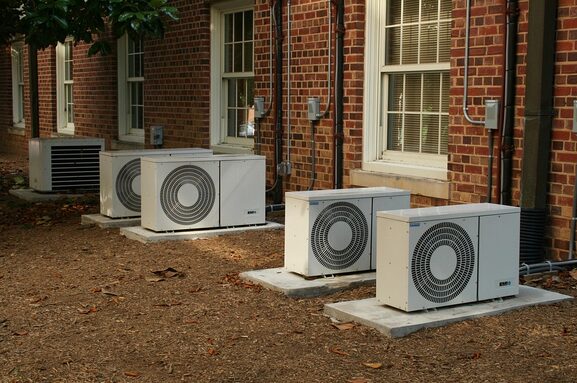

 Outdoor weather conditions directly affect many HVAC components, particularly those exposed to external environments. Heat, moisture, dust, and fluctuating temperatures can influence the condition of outdoor units and connected systems. Seasonal storms, debris accumulation, and changes in humidity may also affect performance. These environmental factors contribute to gradual wear and can affect the system’s efficiency. The interaction between weather conditions and HVAC equipment underscores why service needs often shift with the seasons.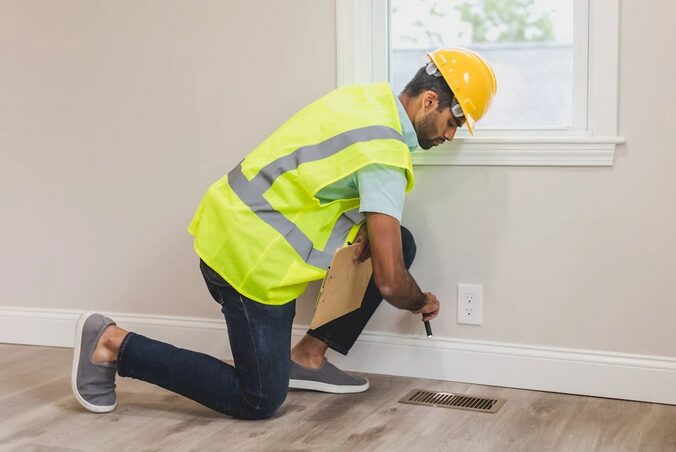
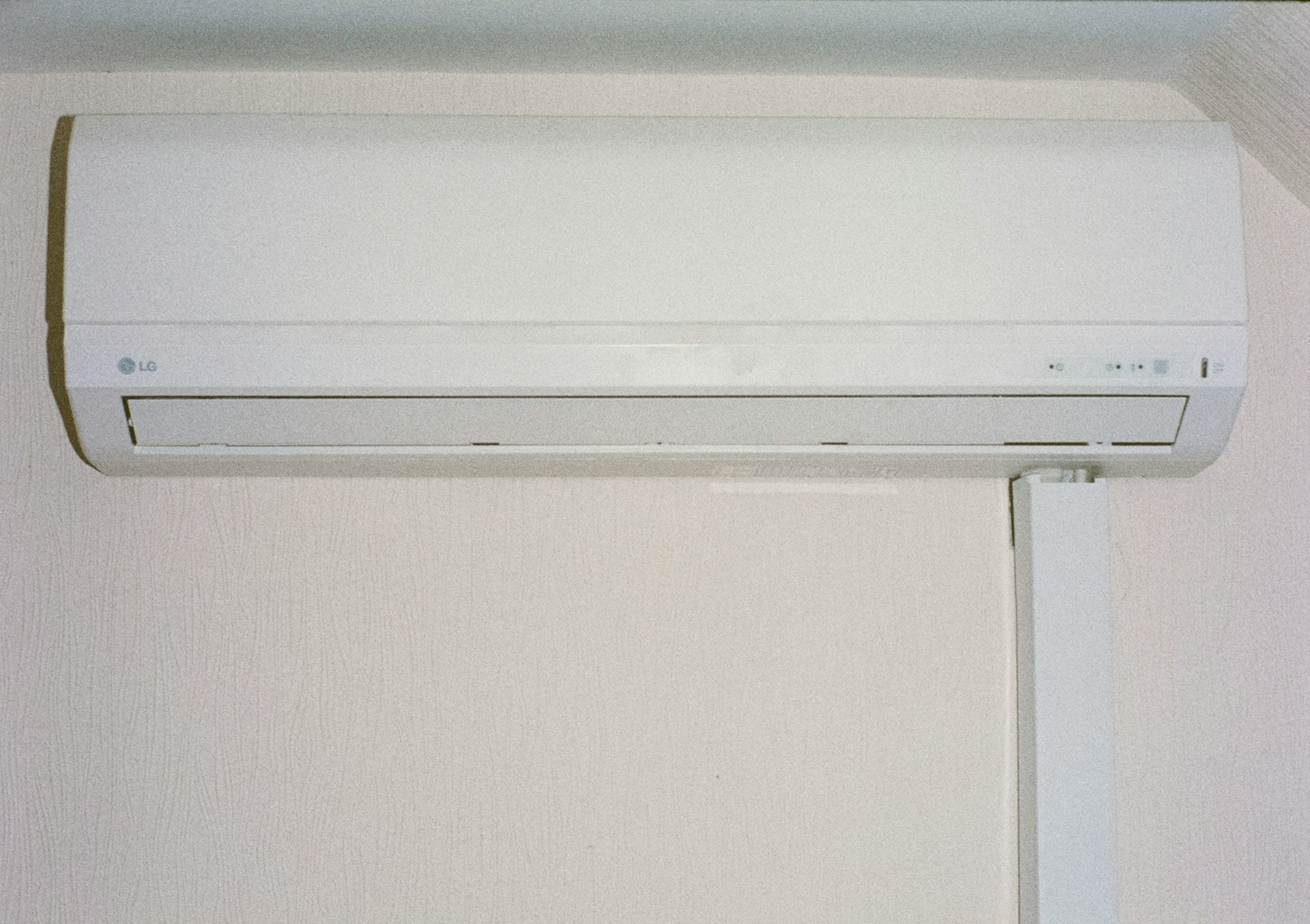
 One of the clearest indicators of an AC system’s condition is its ability to maintain a stable indoor temperature. When a system begins to cool unevenly or takes longer to reach the desired temperature, it suggests a decline in efficiency. This may result from minor issues, such as airflow restrictions, or from more significant problems involving core components. When performance continues to deteriorate despite adjustments or servicing, it may reflect limitations within the system itself. Evaluating how effectively the unit responds to cooling demands provides insight into whether the issue can be resolved through repair or if the system is no longer capable of meeting expected performance standards.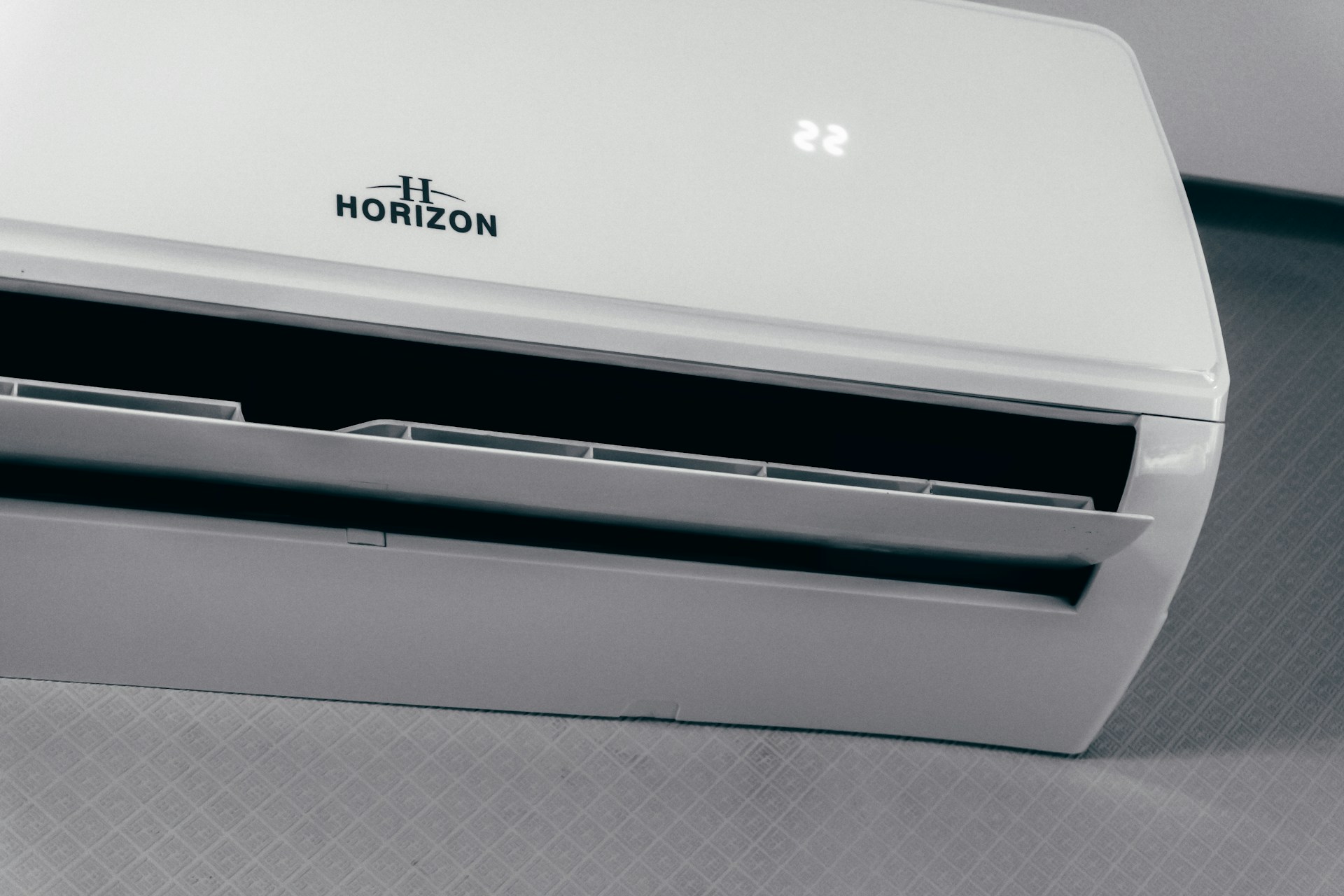






 Shingles are your roof’s protective layer, shielding it from rain, snow, and harsh sunlight. When shingles become damaged or go missing entirely, the risk of leaks increases significantly. Weather can take a toll on shingles over time. High winds may lift and tear them away, while heavy rain can cause wear and cracking. Sun exposure might lead to brittleness as well. Even minor damage can escalate quickly if not addressed promptly. A small crack or loose shingle may seem inconsequential at first but can allow water to seep through into your home’s structure.

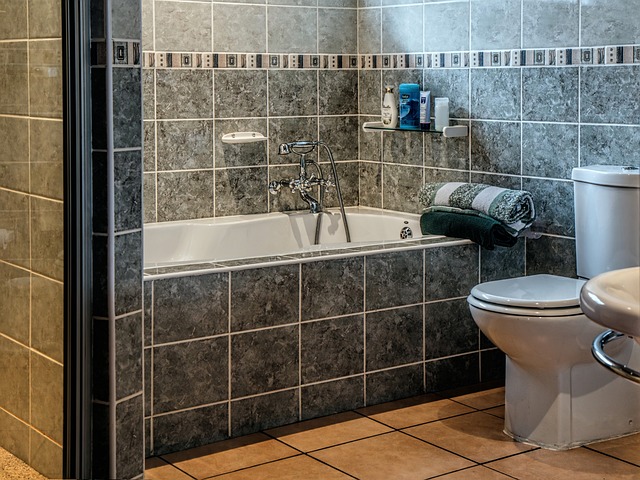
 One of the homeowners’ biggest mistakes when remodeling their bathroom is skipping the budget planning. Getting caught up in picking out fancy tiles, high-end fixtures, or luxurious features is easy, but not setting a realistic budget can lead to major headaches down the line. You might be overspending or needing to scale back your plans halfway through the project. To avoid this, create a detailed budget before you start shopping for materials or hiring contractors. Make sure to factor in materials, labor, and a contingency fund for unexpected costs. A little extra planning up front can save you from unpleasant surprises later on.
 A bathroom remodel is a great time to rethink your storage solutions. Many people don’t realize just how quickly bathrooms can become cluttered with towels, toiletries, and cleaning supplies. Your beautifully remodeled bathroom can quickly feel cramped and disorganized if you don’t plan for adequate storage. When designing your bathroom, consider where you’ll store items like towels, toilet paper, and extra toiletries. Consider incorporating built-in shelves, cabinetry, or even space-saving solutions like floating vanities. Adding additional storage space will help keep your bathroom tidy and functional, even with all the beauty you’ve added.






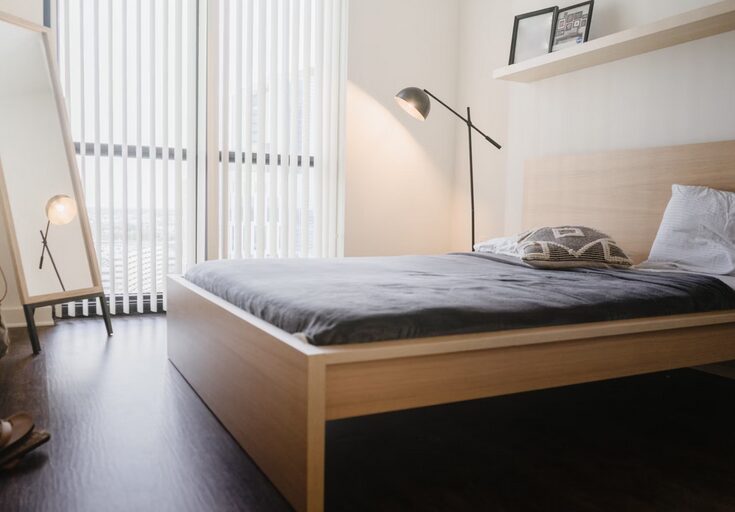

 Rotating compost bins, also known as tumblers, are a convenient option for those looking for an efficient way to compost organic waste. These compost tumblers make it easy for the mixing process. Since the tumbler keeps turning, you can speed up the decomposition process and ensure that all components are evenly distributed. This helps aerate the pile and promotes faster breakdown of organic matter. Additionally, tumblers help contain odors and keep pests away, making them a clean and hassle-free option for composting.
 Last but not least, being perfect for
 One of the major advantages of hiring professional electricians when upgrading home lighting is their expertise in troubleshooting and maintenance. Electricians have the knowledge and experience to quickly identify any issues that may arise during the installation process or after it’s completed. When it comes to troubleshooting, electricians are skilled at finding the root cause of electrical problems. Whether it’s a flickering light, a circuit breaker that keeps tripping, or an outlet that isn’t working, they know how to diagnose and fix these issues efficiently. Additionally, professional electricians can provide regular maintenance for your home lighting system. This includes checking for loose connections, inspecting wiring for wear and tear, and ensuring all components function properly.
 When it comes to upgrading your home lighting, ensuring compliance with building codes is of utmost importance. Building codes are regulations set by local authorities that dictate the minimum standards for construction and safety in buildings. These codes include specific requirements for electrical work, including lighting installations. Hiring professional electricians knowledgeable about these building codes can save you from potential headaches down the road. They have a deep understanding of the regulations in your area and will ensure that your lighting upgrades meet all requirements. One aspect of building code compliance involves proper wiring techniques and safety measures.



 The color palette is the first thing you should consider when creating a metalhead-inspired home. Black, gray, and white are some colors that come to mind right away but don’t limit yourself too much. You can also explore shades of black or grey, such as charcoal, gunmetal, and onyx.

 One of the most surprising ways music can improve your life is by helping you stay focused. If you’re studying for a big exam or trying to finish a project at work, listening to some tunes can help keep you on track and motivated. Certain types of music, such as classical or instrumental, are great for concentrating on tasks. Music can also help you stay on task longer, as it removes the temptation of distractions. Give it a try and see if music enables you to keep focused the next time you have an essential task.


 Knowing how to care for your furniture correctly is essential to keeping it in good shape for years to come. Be sure to read and follow any care instructions provided by the manufacturer before using or cleaning your furniture. Your furniture plays a huge role in the interior appeal of your home. By avoiding these costly mistakes when buying furniture, you can ensure you get the best value for your money while creating a stunningly beautiful space in your home.…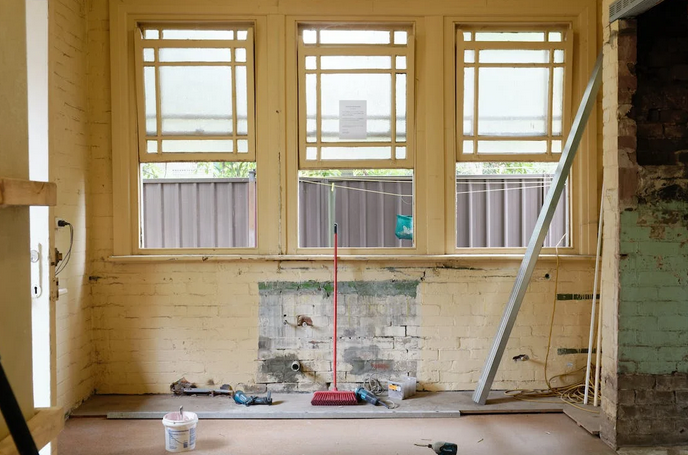
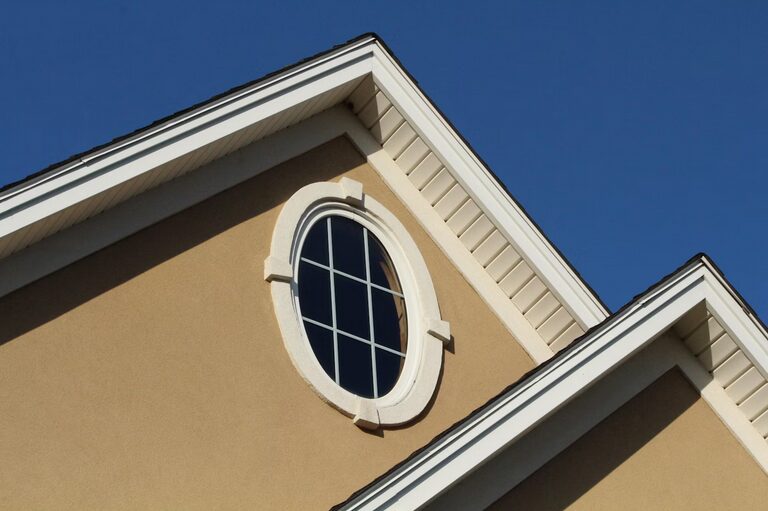
 Transom windows are a great way to add architectural interest to your home. They are often used above doors but can also be used alone or in pairs. Basically, transom windows can be defined as a window placed above another window or door to let in more light. If you want to add a touch of elegance to your home, replacing your regular windows with transom windows is a great way to do it.
 Are you a gardener? Or do you simply love the freshness the greeneries make every morning? If that’s the case, you can pair your windows with a mini garden. You can add small plants hanging or put a pot of plants next to the window. We recommend using air plants as they don’t need soil to grow. All they need is moisture and light, which they can easily get from your windows. This way, you can have a beautiful garden inside your home without worrying about maintenance.
 Usually, windows come in rectangular or square shapes. But if you want to add a touch of uniqueness to your home, you can go for windows with curves. There are many different ways to achieve this look. You can either buy pre-made windows with curves or create your own. If you’re feeling creative, we suggest you make your own. All you need is some wood and a jigsaw. Just make sure that the curves are symmetrical on both sides.
 The first most common type of house in the world is the prefabricated house. If you plan on getting one built, you should hire a Fertighausexperte. Prefabricated homes are usually made from modular or kit homes. They are usually much cheaper to build than traditional homes and can be assembled quickly.
 The world’s fourth most common type of house is the single-family home. Single-family homes are the most common type of housing in the United States and are usually found in suburban areas. They are typically owned by a single family and can range in size from a small bungalow to a large mansion. One of the advantages of living in a single-family home is that you have more privacy than you would in an apartment or condominium. However, one of the disadvantages is that you are responsible for all of the upkeep and maintenance of the property.
 Speaking of bedding, make sure that your bed is the room’s focal point. After all, it is your bedroom’s most important piece of furniture. To do this, you’ll want to anchor the bed against the wall. This will create a sense of stability and make it feel like your bed is part of the room, not just floating in the middle. In fact, you also need to keep your bedding clean and fresh. That’s what makes it so inviting and relaxing. So make sure to wash your sheets and blankets regularly.
 Another important factor in creating a relaxing bedroom is to make sure that the temperature is comfortable. That means not too hot and not too cold. The perfect temperature for sleeping is around 60 to 67 degrees Fahrenheit. Consider investing in a quality air conditioner or heater if your bedroom is outside this range. Not only will it help you sleep better, but it will also make your bedroom more comfortable overall.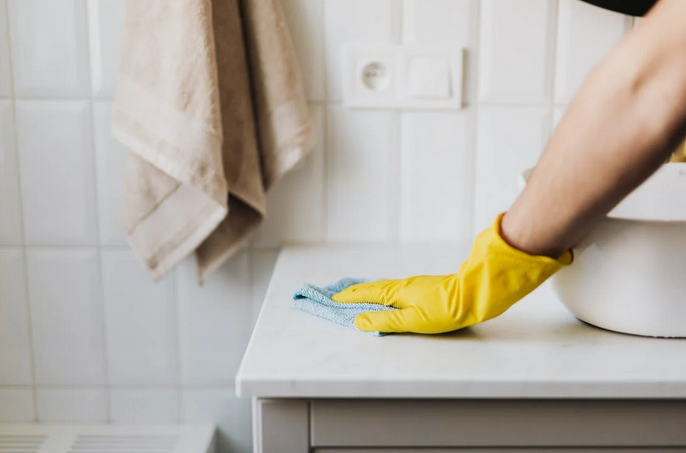
 One way to make house cleaning more fun is to listen to music. Music can help set the tone for any activity. If you want to make house cleaning more fun, then put on some upbeat music that will get you moving. This way, you can clean and dance at the same time. Some people like going to concerts and watch artists who often perform in tweeter center boston. But if you are unable to do so, you can just play some of their music at home while you are cleaning. It will give you more energy to clean and make the time go by faster.
 Another way to make house cleaning fun is to make a game out of it. You can set a timer and see how fast you can clean the entire house. This is a great way to motivate yourself and see how much progress you can make in a short amount of time. This can also make you sweat, which is a bonus. If you want to make it even more challenging, you can see how much you can clean in an hour or less. This way, you will really push yourself to the limit. This is what many people who are trying to deep clean their houses do. They say they get much more done when they are on a time crunch.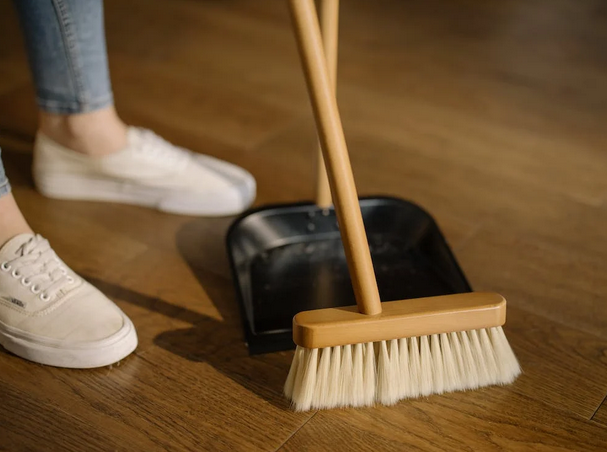
 The first way is to make a plan. This is especially true when it comes to cleaning your home. Trying to tackle everything at once will only leave you feeling overwhelmed and stressed. Instead, break down the cleaning into smaller, more manageable tasks. For example, you might want to focus on one room or task per day. This will help you stay focused and on track, and it will make the entire process much less daunting.
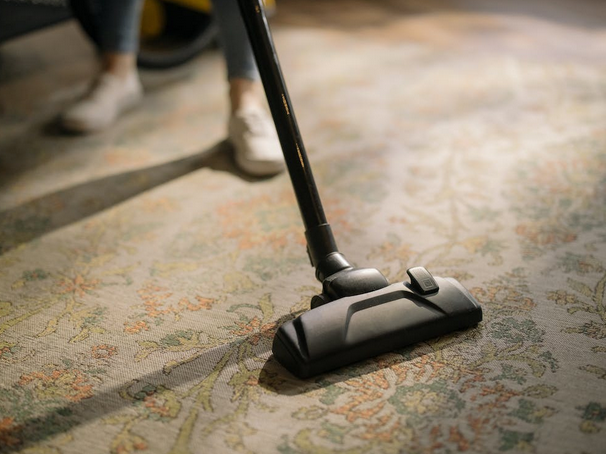 The fourth way to make cleaning your home easier is to use a vacuum cleaner. A good vacuum cleaner can help you clean surfaces quickly and easily, and it can also help you get rid of pet hair and other debris. When choosing a vacuum cleaner, be sure to select one that is the right size for your home and has all the features you need. For example, look for a vacuum with a powerful suction that can handle pet hair if you have pets. Depending on your budget, you can even find vacuum cleaners with special attachments that can make cleaning stairs and upholstery a breeze.
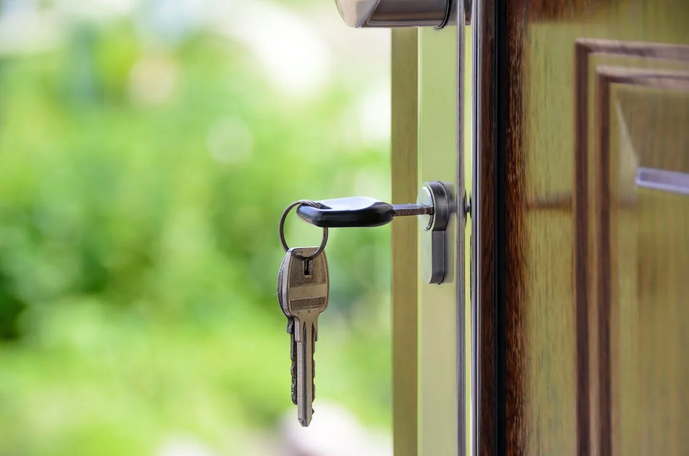 The third situation when homeowners need to call a locksmith is when their locks are damaged. This can happen for a variety of reasons. It could be due to weather damage, wear and tear, or even an attempted break-in. If your locks are damaged, it is important to call a locksmith right away. They will be able to repair the damage and make sure that your home is secure again.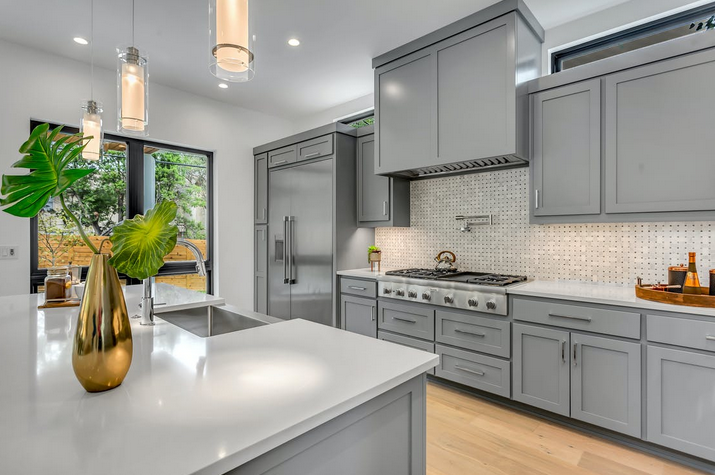
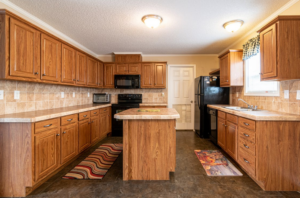 One of the easiest ways to upgrade your kitchen is to create a high-contrast island. It can be done by painting the island with a different color than the rest of the kitchen cabinets. You can add some decorative trim or tile to make it stand out. This is a great way to add visual interest to your kitchen without spending much money. You can also try to replace the hardware on your cabinets to give them a new look.
 The last simple kitchen upgrade on our list is to bring in a seamless easy-to-organize pantry. If your kitchen doesn’t have a lot of storage, this is a great way to add some extra space. A pantry can help you keep your kitchen organized and tidy. It’s also a great way to hide away any clutter. Going to hardware stores like Home Depot or Lowe’s and looking for a simple pull-out drawer system that can be installed in your pantry is what you need to do.
 One of the biggest mistakes you can make is not getting multiple quotes. This is how you ensure you’re getting the best price for the job. You don’t want to just go with the first company you find because they may not be the most reputable or they may charge more than other companies. If you are on a budget, then getting multiple quotes is a must. You just need to make sure that you’re comparing apples to apples and that you’re getting quotes for the same type of work. This way, you can be sure you’re getting the best deal.
 The second mistake people make is not checking reviews online. This is how you can see what other customers have said about the company’s work. If a company has mostly positive reviews, then you know they’re doing something right. However, if there are many negative reviews, you should avoid that company. But you must balance the reviews with other factors. It would be best if you always remembered that not all customers are going to be satisfied, no matter how good the company is. So, it would help if you also balanced the positive and negative reviews to make an informed decision.
 The third mistake is not getting a written estimate. This is important because you need to ensure the company is accountable for its work. If there are any problems with the roof after they’ve finished, you can contact them and have them fix it. However, if you don’t have a written estimate, then they may not be as willing to help you. A written estimate will also protect you from being overcharged. This is because sometimes companies will give you a low estimate to get the job, but then they’ll add on hidden fees later. Many people have been a victim of this, so don’t let it happen to you.
 One of the easiest ways to find a reliable mattress cleaning service in Singapore is to check customer reviews online. Many websites allow customers to rate and review local businesses, so you can get an idea of what others have thought about a particular company. Type “mattress cleaning Singapore” into your favorite search engine and read through the reviews.
 Finally, you’ll want to ensure that the mattress cleaning service you choose is licensed and insured. It will protect you in case anything goes wrong during the cleaning process. Always ask to see a copy of its insurance policy before hiring the cleaning service. This way, you can be sure that you’re protected in case of an accident.
 As mentioned above, one of the things you need to do when planning to
  Another vital aspect you need to consider in this process is choosing your selling strategy. When it comes to listing your home, there are two significant sales options involved. You either sell it by yourself or consider hiring a real estate agent. One of the best options is to consider hiring a professional real estate agent.
 Once you decide to sell your house, one of the things that cab speed your selling process is pricing your home competitively. You need to understand that overpricing your house will delay the selling process or lack someone to purchase it.
 Written contracts protect the homeowner. You need to avoid contractors that do not provide a formal agreement. They need to clearly outline the payment schedules, list of subcontractors, roofing materials, and details on the start and end of the contract. Besides, it needs to have information on how they protect landscaping and gardens, responsibility for cleanup, and damages to your property or neighbor.
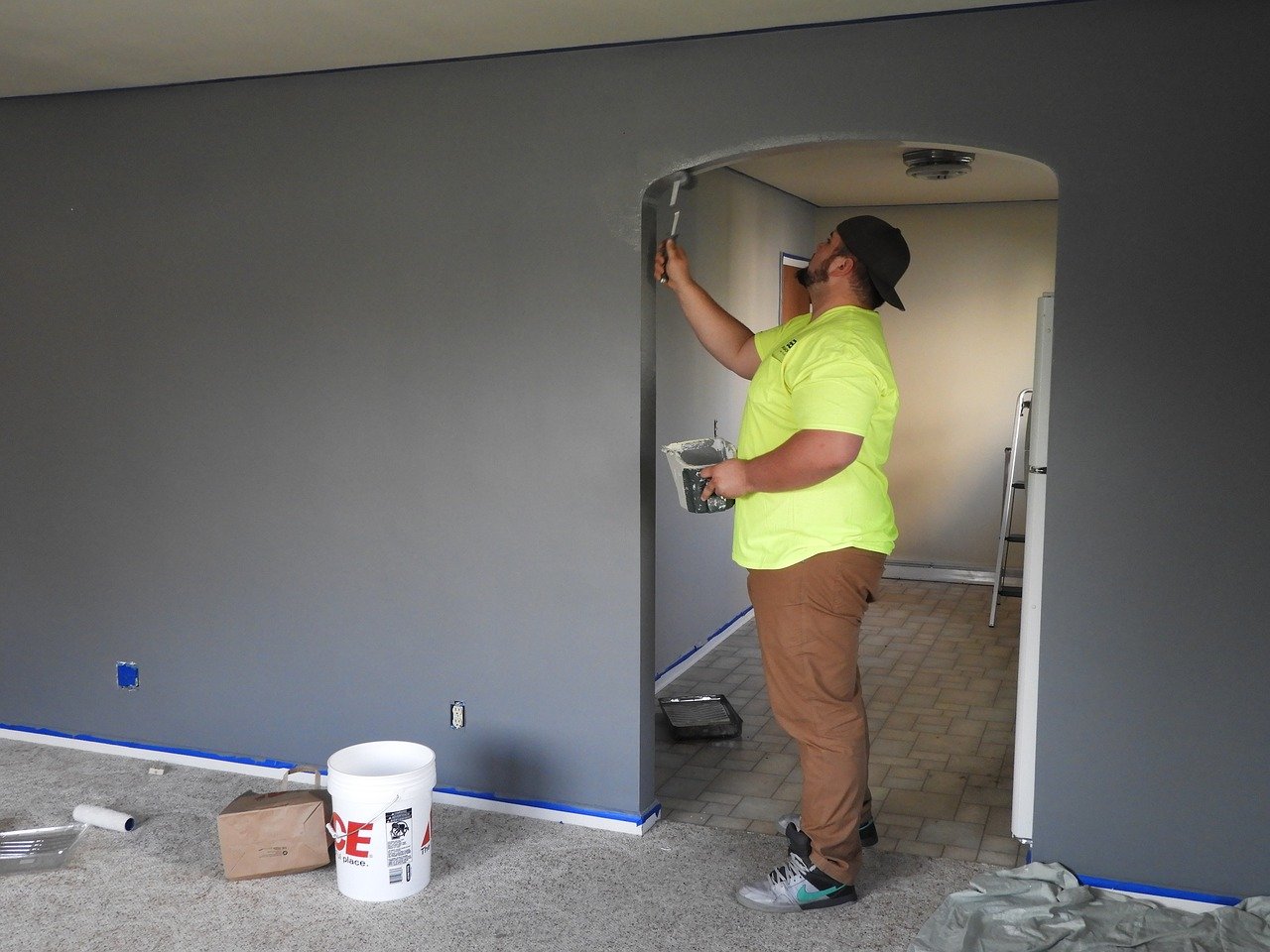
 As mentioned above, there are various painting companies all over providing professional painting services. Before you choose any company you come across, it is recommended that you conduct thorough research and know the best and top-rated painting companies you can hire.
 Another factor you need to consider in this process is reputation. It is crucial to understand that professional and quality painters have a proven track record with satisfied clients that can back up the claims. Therefore, asking around will help you to know the best painting companies in your area. By doing this, you will find an experienced painting company.
 Depending on your home country, it is crucial to understand that roller doors play a vital role in offering protection against adverse weather and storms. For example, if your region is prone to high winds and bad weather, a roller door will protect your property’s exterior from long-term decay and damage.
 If you want to install roller doors in your compound, then you need to consider various aspects depending on your lifestyle. If you prefer ordering most of your items, you need to install a roller gate because it is convenient for deliveries. It has been discovered that manually opening and closing entry doors are costly and time-consuming. Therefore, consider choosing roller doors to save time and money.
 When building your home, one of the things you need to do is look for quality materials that can last for an extended period. When a visitor is approaching your apartment for the first time, your roller gate should offer them the first impression of how organized and intelligent you are. With a roller gate, it portrays a professional approach.











 In certain unfortunate circumstances, you may not have the necessary documents to secure the mortgage. A mortgage broker may be able to convince a lender they are associated with to grant you the loan on the condition that you will pay your monthly repayments.
 With so much to show for it, Singapore has become a darling of expats around the world and is now the fifth richest country in the world in terms of GDP. Singapore’s location in the southernmost part of Malaysia has enabled it to become one of Southeast Asia’s wealthiest and most prosperous countries. As you will find in our guide to the best cities in Asia and the Middle East for expats in Singapore, it is located on the island of Singapore.
 With more than half a million expats living in Singapore, the ability to join clubs and groups, and the fact that the people you meet are in similar situations to yourself, is deeply rooted in the lives of many of them. In an expat survey, Singapore ranked as one of the best places to live in Asia. In terms of quality of education, Finland ranks seventh, while family well-being is fifth in the world. It is a melting pot of different cultures from around the world that shows they tolerate and respect each ethnicity’s differences, making it peaceful to stay and live in the long-term.…






 Within pre-construction homes, developers set the price by considering different aspects such as square footage, lot size, recent sales data, and floor level. If you are planning to buy an already-constructed home, you should be prepared to deal with heated bidding wars. To avoid the emotional turmoil that comes with bidding wars, which are often not subject to passionate demand.

 It’s not just like renting a flat or an apartment; you actually get to own the place. With companies that can give you almost the same payment terms as you would have with renting, you can never go wrong with buying a condo.
 Your CBD oil retailer should provide access to the third-party test results that they can share with you to ensure the product they give you meets the regulatory requirements. Remember that the product has more than 0.3% THC, then it is not classified as hemp. Thus, if you want to avoid THC completely, you should get CBD isolate that has 0% THC.


 A majority of condo builders usually offer some form of incentives as a way of attracting prospective buyers. The incentives can be anything ranging from household appliances to some additional storage space provided within the building. There is even the possibility of negotiating with the builder to get better offers, provided that you are serious about investing in the condo.

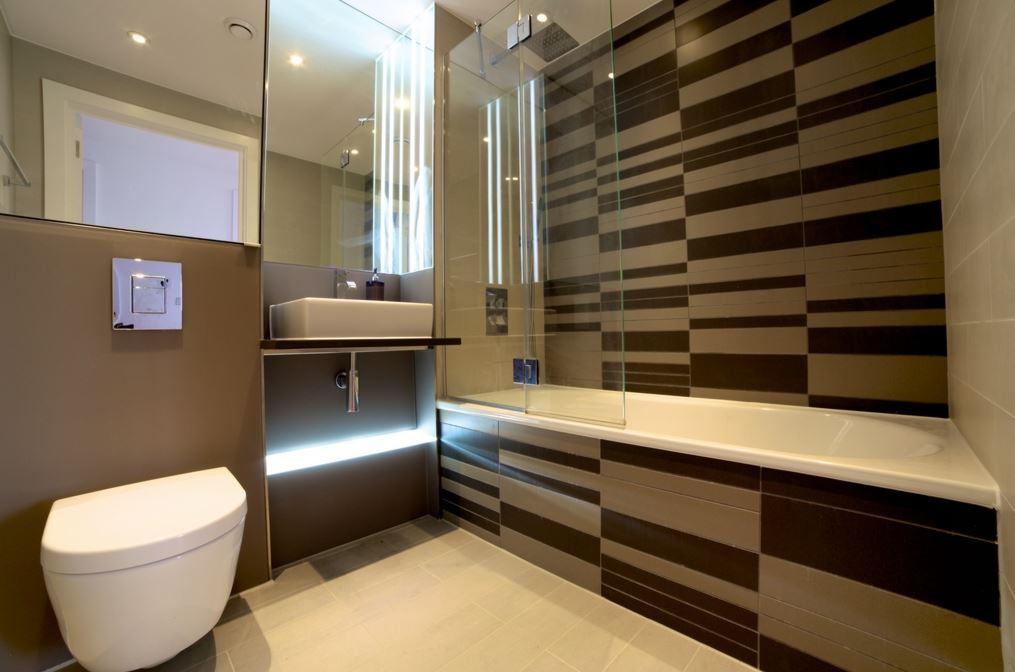
 to leave it looking good. There is a variety of them you must try out. One thing you need to consider is the design of your lighting. There are bulbs or bulb covers made using beautiful designs that will leave your bathroom looking stunning. You can also consider the color of your lighting.
 The first tip is to decide which room is to be decorated with wallpaper. This observation is important because it will be related to the type and wallpaper motif that you must choose. Different motifs have different functions. Some can create the illusion of large space in a narrow room, while others can bring a definitive look to the interior. As an example, bedrooms and living rooms need wallpaper that can create a calming atmosphere for the occupants. A pattern that draws attention too much is not fit for those places. In the kitchen, however, you can install wallpaper with an eye-catching pattern so that you can keep alert without feeling bored.
 You have to measure the area for the wallpaper installation meticulously. Otherwise, you can have an excess piece. What a waste of money, isn’t it?
 To save time and money, consider learning a new skill that will benefit you when you live alone. The easiest one is to cook, which will save a lot of money than eating out or deliveries. There are many



 Unique Ideas
 You need to make sure that you adjust the thermostat accordingly. The thermostat controls the amount of heat that is produced by the furnace. The thermostat can affect the working of the furnace.
 Various industries need humidity control services or dehumidifiers. They include cold storage, ice prevention, car storage, aviation, chemical processing, food industry, and more.The systems are innovatively designed and installed. There is a need to service such systems to enjoy humidity control. Remember that the needs for each environment are quite unique.
 Dehumidifiers are required in warehouses and areas where the goods are stored. Some of the places include wood, steel products, ammunition, textiles, furniture, and paper warehouses. It is vital to have a system that maintains a constant humidity level throughout the year. This is an appropriate way to store the materials.

 Whenever you face a situation like this, be prepared to have quite an amount of money in your pocket since you will need the cash to do the projects. House remodeling includes changing the entire design of the building, both exterior and interior, and leaving no clue about the older version of the building. In short, a successful house remodeling means nobody is going to guess that the vibrant minimalist-looking house used to be a vintage wooden residence.