

Selgas Cano

Your trusted estate coverage


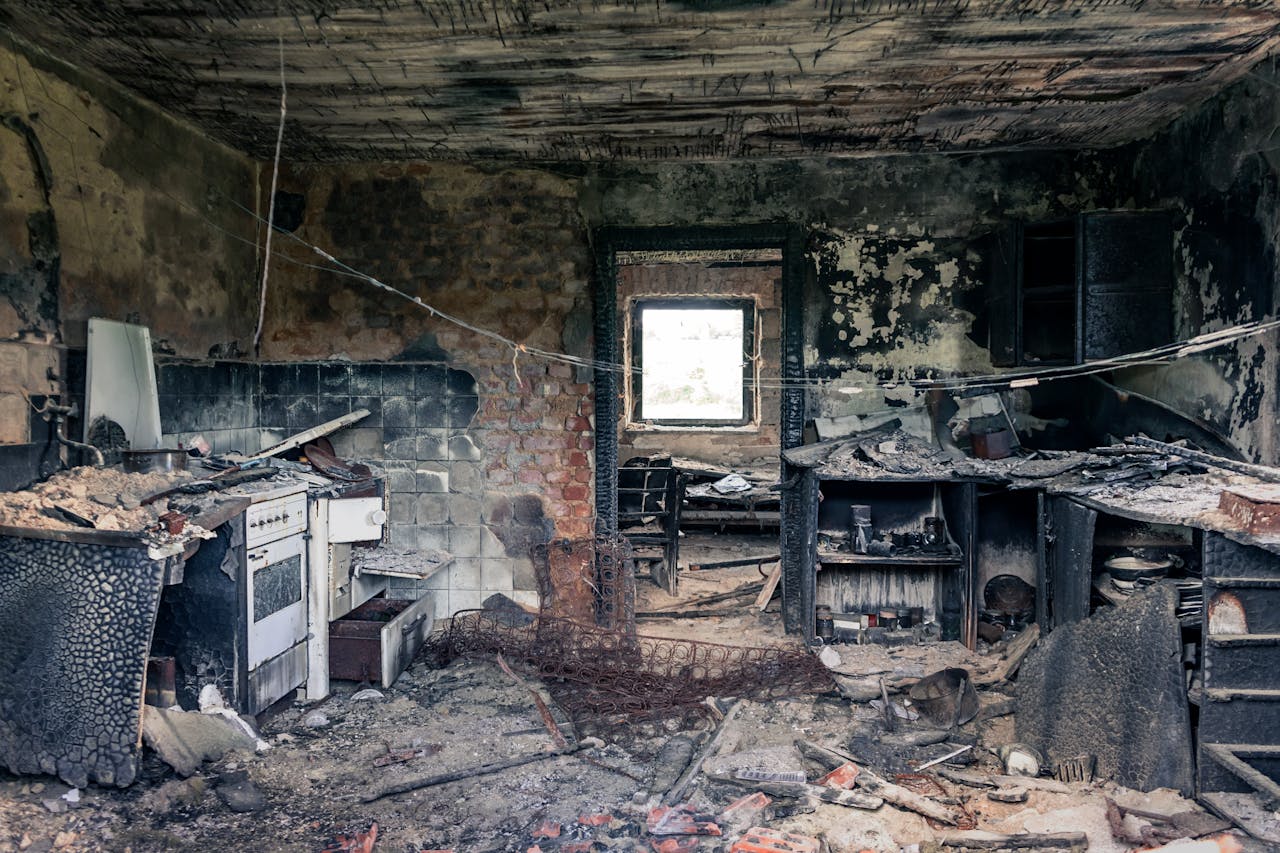
Fire-Damaged Home
After a House Fire: Why It’s Best to Sell Your Fire-Damaged Home

Experiencing a house fire is devastating. The emotional toll can be devastating, and the physical damage to your home often leaves you with tough decisions to make. After all the fire has been put out, you may be wondering what to do next with your home. You may be asking to yourself, “Should I sell my fire damaged house or restore it?” While restoring may seem appealing at first glance, there are compelling reasons why selling might be the smarter option for many homeowners. Let’s see what experts have to say about this.

High-Restoration Costs

Restoring a home after a fire can quickly become an expensive endeavor. Hidden damages often lurk beneath the surface, making initial estimates misleading. When you factor in the cost of materials, labor, and permits, expenses begin to add up. Fire-damaged structures may require extensive repairs—from replacing framing and wiring to addressing smoke damage that seeps into walls and furnishings. Insurance might cover some costs, but out-of-pocket expenses can still be significant. You could find yourself juggling bills while waiting for claims to process or facing unexpected issues during restoration. Additionally, if your property has historical significance or unique features, sourcing specific materials can inflate prices even more.

Lengthy Restoration Timeline

Restoring a fire-damaged home can be an incredibly slow process. The timeline often stretches for months, leaving homeowners in limbo. First, you must wait for insurance adjusters to assess the damage. This step alone can take weeks as they gather all the necessary information. Once approved, contractors are called in to begin repairs. However, finding skilled professionals who are available can add even more time to the project. Meanwhile, living arrangements become uncertain if your home is uninhabitable during this lengthy period.
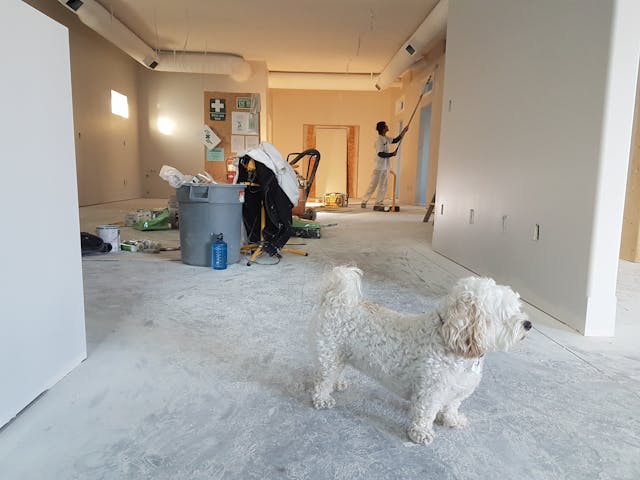
painting

Health Concerns from Residual Damage

After a house fire, lingering health concerns can arise from residual damage. Smoke and soot leave behind hazardous particles that can infiltrate your living spaces. Breathing in these toxins may lead to respiratory issues, skin irritations, or allergies. Furthermore, water used to extinguish the flames can create an environment for mold growth. Mold spores are dangerous and can severely impact indoor air quality. Exposure may trigger asthma attacks or other allergic reactions. Beyond physical ailments, mental health impacts shouldn’t be overlooked. The trauma of experiencing a fire often results in anxiety and stress long after the flames are gone.

Better Use of Insurance Payout

After a house fire, many homeowners receive an insurance payout. This can feel like a financial lifeline in a tough time. However, the way you use this money is crucial. Restoring your home may not be the best option. The costs of repairs often exceed initial estimates, leaving little room for unexpected expenses.Instead of pouring funds into restoration, consider selling your fire-damaged property as-is. You’ll avoid ongoing repair bills and stress associated with lengthy renovations. Additionally, selling allows you to cash out quickly and move forward with your life. You can invest that payout into a new home or different opportunities altogether.

Finding a Trusted Local Home Buyer

Now, you may be wondering where you can sell your fire-damaged property as-is for some quick cash and a fresh start. Finding a trusted local home buyer makes all the difference. These buyers understand your situation and offer fair options tailored to homes in any condition. So, you don’t have to be bogged down by uncertainties related to repairs and restorations…

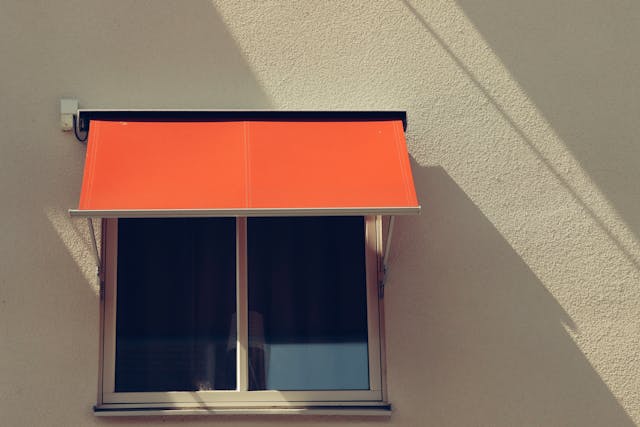
Top Materials for Long-Lasting Sunshade Screens: A Lazy Homeowner’s Guide

When the sun blazes down, a well-placed sunshade screen can be your best friend. It not only provides relief from the heat but also enhances your outdoor space. If you’re a homeowner who enjoys lounging in comfort without breaking a sweat, choosing the right material is key.

There are lots of material options once you’ve checked on the Internet. But, in Uni Shades, you’ll only find the best materials for sunshade screens. Now, what materials really stand out for sunshade screens? Let’s break down some of the top materials for long-lasting sunshade screens that will keep you cool and carefree all summer long.

Polyester with PVC Coating

Polyester with PVC coating is a popular choice for sunshade screens, and it’s not hard to see why. This material combines durability with flexibility, making it ideal for outdoor use. The PVC coating typically has an extra layer of protection against the elements. It resists moisture, mold, and mildew, ensuring your screen looks great year after year. Additionally, this combination offers excellent UV resistance. Not to mention, Polyester fabric can be easily stretched over frames or mounted directly, giving you versatile options for setup. You’ll also appreciate its lightweight nature; moving or adjusting your shades is a breeze.

Polyester with PVC Coating

Aluminum Composite Panels

Aluminum composite panels are making waves in the world of sunshade screens. They combine two layers of aluminum with a non-aluminum core, creating an exceptionally strong yet lightweight material. One key benefit is their durability. These panels resist rust and corrosion, ensuring they hold up against harsh weather conditions. Whether it’s heavy rains or scorching sunlight, you can count on them to maintain their integrity. Their sleek aesthetic also adds appeal to any outdoor space. But what really makes this stand out is its low maintenance. A simple rinse with water is often enough to keep them looking fresh and vibrant without needing special cleaning products or treatments.

High-Density Polyethylene (HDPE)

High-density polyethylene, commonly known as HDPE, has gained popularity in sunshade screens due to its remarkable durability. This material can withstand the elements without fading or degrading over time. Its lightweight nature makes installation a breeze, perfect for those who prefer low-maintenance solutions. Another advantage of HDPE is its UV protection capabilities. It blocks harmful rays while allowing airflow, keeping your space cool and comfortable beneath the shade. Environmentally conscious homeowners will appreciate that HDPE is recyclable. Choosing this material not only benefits your home but also supports sustainability efforts.

window

Polycarbonate

Known for its unbreakable feature, it can withstand harsh weather and resist impacts better than glass. This lightweight option is also transparent, ensuring natural light can be filtered through while no harmful UV rays could sip in. It shows perfect visibility and protection. Maintaining polycarbonate takes minimal effort; just a regular wipe-down keeps it looking fresh. With durable properties combined with aesthetic appeal, it’s no wonder more homeowners are considering polycarbonate for their sunshade needs.

How to Choose the Best Material for Your Sunshade Screen

Choosing the right material for your sunshade screen is not that complicated. If you’re a lazy homeowner who wants a durable and effective sunshade screen, read on. All you need to do is think about your specific needs: climate, aesthetics, maintenance level, and budget before making a decision.…