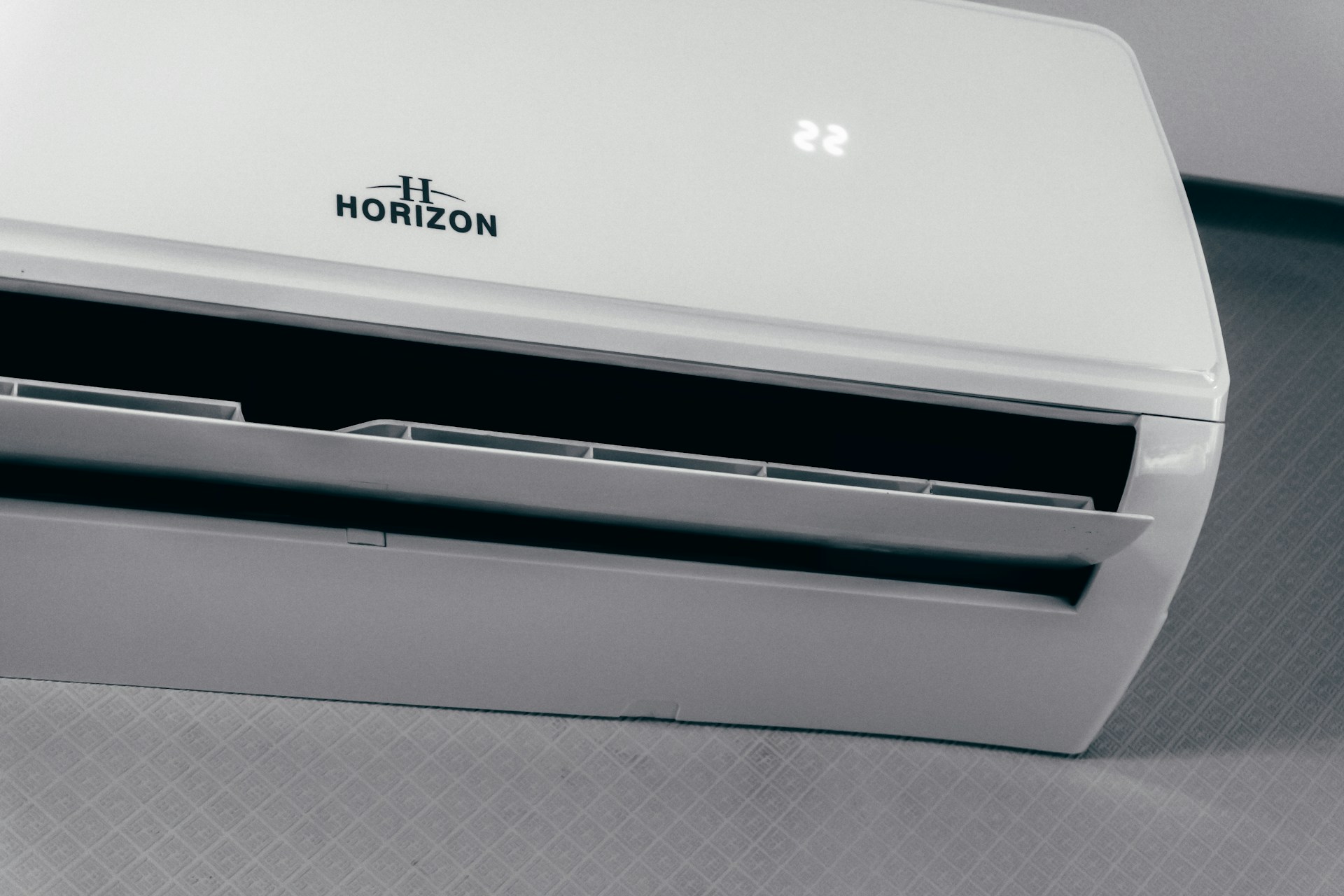
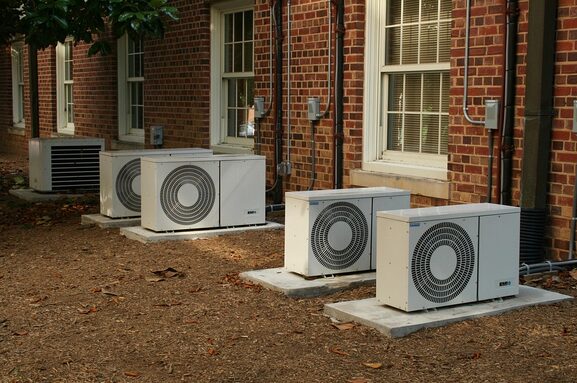
Seasonal weather changes place varying demands on HVAC systems, making regular maintenance essential for consistent indoor comfort year-round. During hotter months, air conditioners often work harder for longer periods, while in cooler seasons the focus shifts to heating efficiency and airflow management. Homeowners who rely on air conditioning repair services in Hutto often notice that extreme temperatures can reveal hidden system issues, such as worn components, refrigerant problems, or reduced efficiency. Addressing these concerns early helps prevent unexpected breakdowns and supports better overall performance. This article explores how seasonal changes influence HVAC service needs and why timely maintenance is important for long-term system reliability.
Increased Demand During Temperature Extremes

Periods of extreme heat or cold place the greatest demand on HVAC systems. During summer, cooling units often run for extended hours to maintain indoor comfort, whereas in winter, heating systems must operate more consistently. Continuous operation increases wear on internal components such as motors, compressors, and fans. The added workload can influence efficiency and overall system stability. Seasonal temperature extremes, therefore, create conditions in which HVAC systems require closer attention to ensure they continue functioning effectively under higher demand.
Weather-Related Effects on System Components
 Outdoor weather conditions directly affect many HVAC components, particularly those exposed to external environments. Heat, moisture, dust, and fluctuating temperatures can influence the condition of outdoor units and connected systems. Seasonal storms, debris accumulation, and changes in humidity may also affect performance. These environmental factors contribute to gradual wear and can affect the system’s efficiency. The interaction between weather conditions and HVAC equipment underscores why service needs often shift with the seasons.
The Impact of Airflow and Indoor Conditions
Seasonal changes also affect indoor air conditions, which in turn influence how HVAC systems manage airflow and ventilation. During colder months, homes and buildings often remain closed for longer periods, which can alter indoor air circulation. Warmer seasons may introduce higher humidity, placing additional pressure on cooling systems. Air filters, ducts, and ventilation components respond differently depending on these environmental conditions. These seasonal variations influence how effectively air moves through the system and affect maintenance requirements throughout the year.
Adjustments in Maintenance and Inspection Priorities
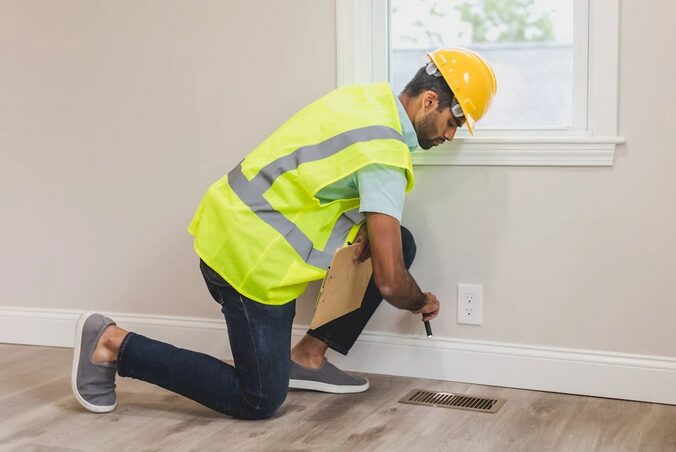
Seasonal transitions influence which maintenance and inspection tasks become most important. Before high-demand periods, systems often require evaluation to ensure they are prepared for increased use. Cooling systems may need attention before warmer months, while heating components become more relevant as temperatures decline. These adjustments reflect how service priorities change according to environmental conditions and expected usage patterns. Seasonal maintenance supports system reliability by addressing issues that may develop under changing operational demands.
Seasonal changes affect HVAC service needs by influencing system workload, airflow conditions, environmental exposure, and maintenance priorities. As heating and cooling demands shift throughout the year, HVAC systems experience varying operational stresses that affect performance and reliability. Understanding how seasons interact with these systems highlights the importance of adapting maintenance and service requirements to changing environmental conditions. This perspective explains why HVAC care varies throughout the year.…
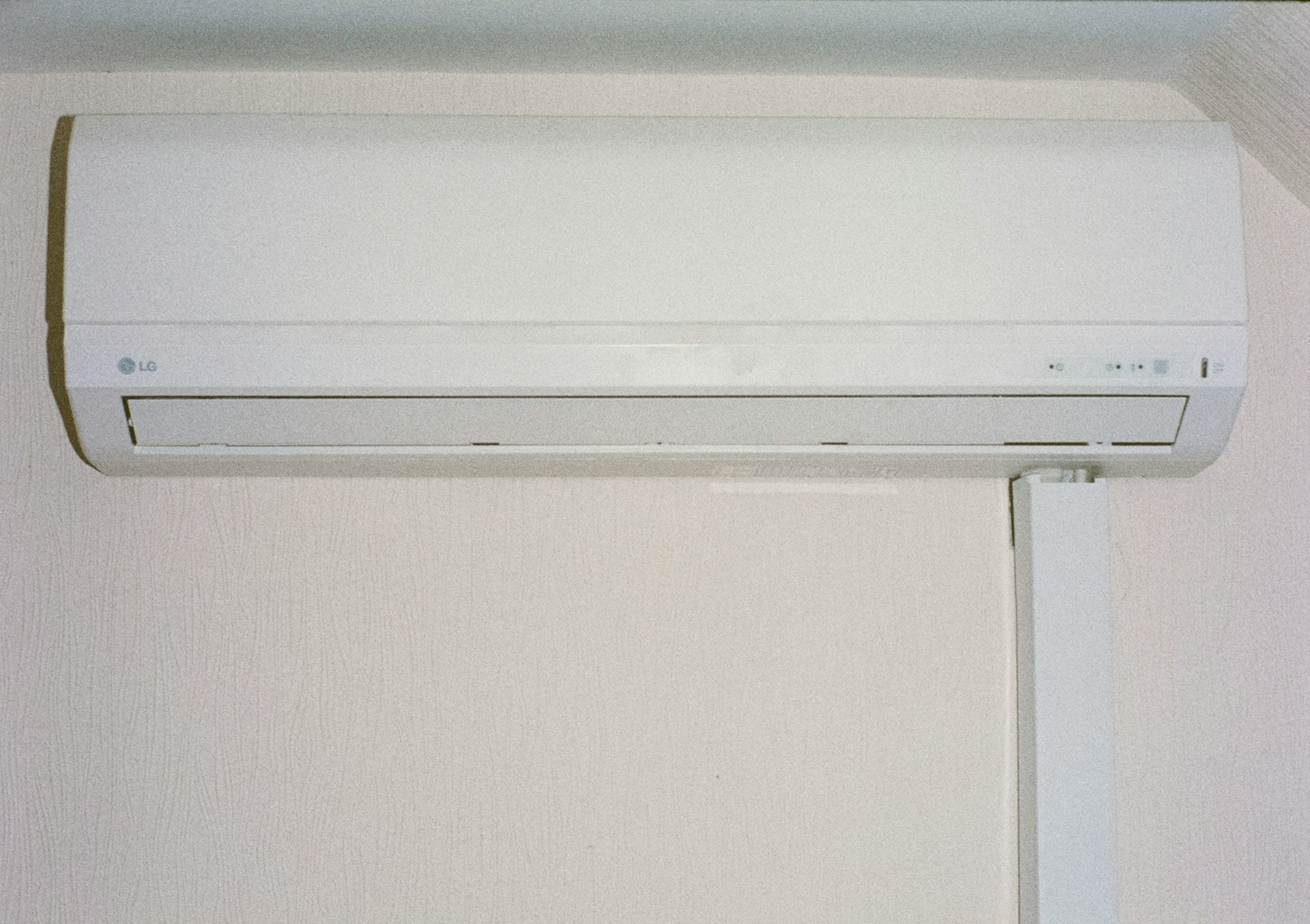
 One of the clearest indicators of an AC system’s condition is its ability to maintain a stable indoor temperature. When a system begins to cool unevenly or takes longer to reach the desired temperature, it suggests a decline in efficiency. This may result from minor issues, such as airflow restrictions, or from more significant problems involving core components. When performance continues to deteriorate despite adjustments or servicing, it may reflect limitations within the system itself. Evaluating how effectively the unit responds to cooling demands provides insight into whether the issue can be resolved through repair or if the system is no longer capable of meeting expected performance standards.