
How Hidden Pipe Damage Can Affect Your Home’s Structural Integrity
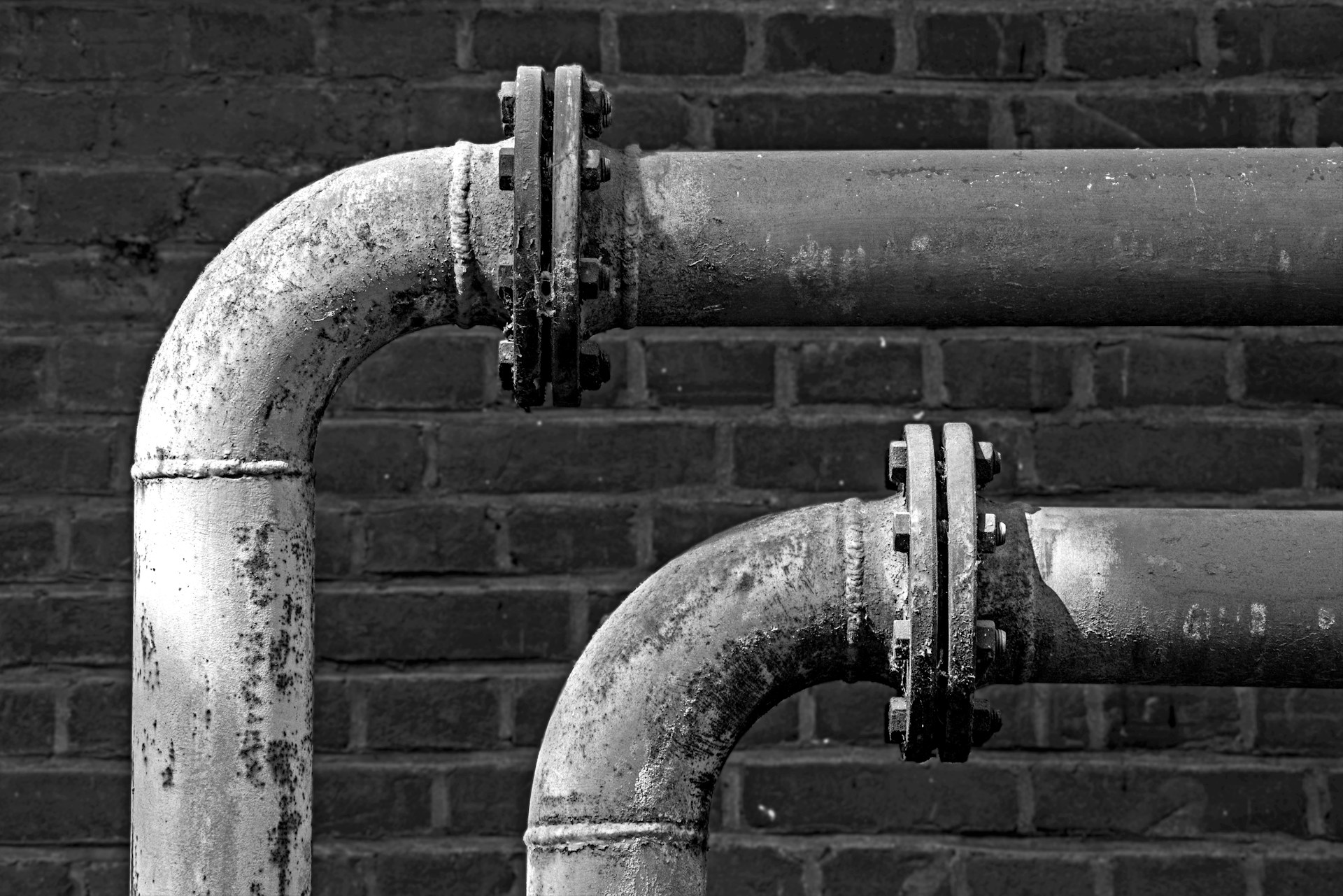
Hidden pipe damage can cause serious problems for homeowners long before visible signs appear. Leaks, cracks, and deteriorating underground pipes may allow water to seep into surrounding soil, weakening foundations, damaging walls, and compromising the structural stability of a property over time. Early detection and solutions, such as pipe relining services, help address these issues without extensive excavation, reducing disruption while restoring the integrity of damaged pipelines. When left untreated, concealed plumbing problems can lead to costly repairs and long-term structural concerns. This article explores how hidden pipe damage affects a home’s structural integrity and why proactive maintenance is essential for protecting residential properties.
How Water Weakens Building Materials
Building materials such as wood, drywall, insulation, and even certain concrete structures can be affected by prolonged exposure to moisture. When hidden pipes leak, water can seep into these materials, reducing their strength over time. Wooden framing may absorb moisture and begin to warp, swell, or rot. Drywall can soften and lose its structural stability, while insulation may become less effective once saturated. As moisture continues to spread, the affected materials become increasingly vulnerable to deterioration, reducing their ability to support the structure as intended.
Foundation Problems Caused by Underground Leaks
One of the most significant risks associated with hidden pipe damage involves underground plumbing leaks near a home’s foundation. Continuous water seepage can alter soil conditions around the property, causing the ground to expand, contract, or erode. Over time, these changes may create uneven support beneath the foundation. This can lead to settlement issues, cracking, or shifting in certain parts of the structure. Because foundations are critical to overall stability, even small underground leaks can eventually lead to larger structural concerns if left undetected for long periods.
Wall and Ceiling Damage From Concealed Leaks
Hidden pipe leaks inside walls and ceilings can gradually weaken surrounding structures. Water intrusion often causes paint discoloration, staining, bubbling surfaces, or soft spots in drywall. As moisture accumulates, structural framing behind these surfaces may also be affected. In severe cases, prolonged exposure can weaken support structures to the point that extensive repairs are required. Because visible signs may appear far from the actual leak source, identifying the problem can be challenging without professional inspection and leak-detection methods.
Mold Growth and Secondary Structural Risks
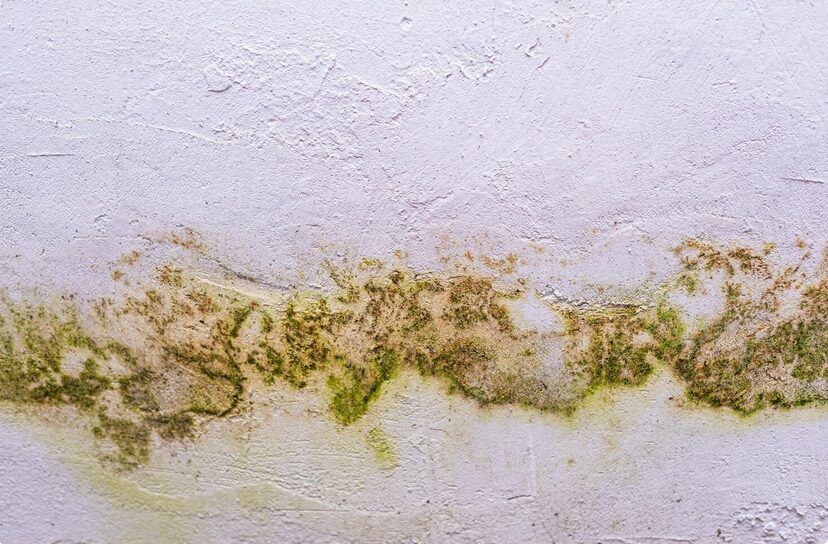
Moisture from hidden pipe damage creates favorable conditions for mold growth. While mold is often discussed as an indoor air quality concern, it can also contribute to structural deterioration. Organic building materials exposed to both moisture and mold may break down more quickly over time. Areas affected by persistent dampness often require the replacement of damaged materials to resolve the issue fully. The combination of water damage and biological growth can significantly increase the scope and cost of repair work if not addressed promptly.
The Importance of Early Detection and Maintenance
Regular plumbing inspections and prompt attention to unusual signs can help prevent hidden pipe damage from developing into major structural problems. Indicators such as unexplained increases in water bills, damp odors, low water pressure, or visible staining may suggest concealed plumbing issues. Early detection allows repairs to be completed before moisture causes widespread damage. Preventive maintenance not only protects plumbing systems but also helps preserve the home’s long-term stability and value.
Hidden pipe damage can affect a home’s structural integrity by weakening building materials, contributing to foundation movement, damaging walls and ceilings, and creating conditions for mold growth. Because these issues often develop gradually and out of sight, they can become serious before homeowners realize there is a problem. Understanding the risks associated with concealed leaks underscores the importance of regular inspections and timely repairs to protect a property’s safety, stability, and longevity.