Some Rooms Are Hotter Than Others? Here’s How You Can Fix It

Have you ever walked from a cool living room into a bedroom that feels like a sauna? Uneven temperatures are a common problem for homeowners, especially during hot summer months. While one room might feel perfectly comfortable, another can be stuffy, humid, or difficult to cool down. The good news is that you don’t always need a major home renovation to fix the problem. Understanding what causes temperature differences can help you find simple solutions and know when it’s time to call a professional.
Check Your Air Vents and Filters
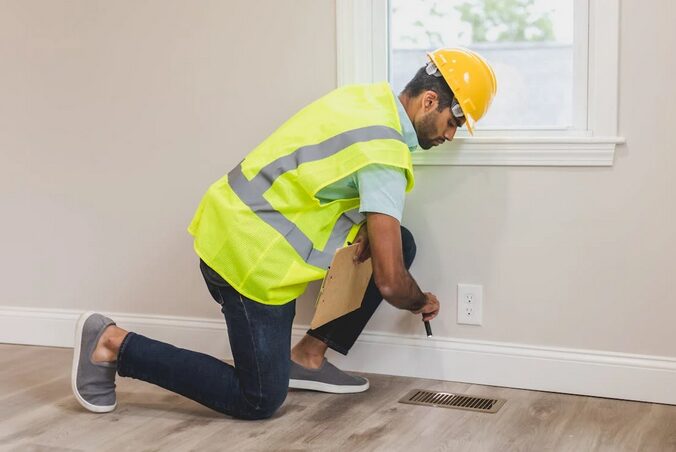
One of the first things to check is whether your air vents are blocked. Furniture, curtains, rugs, and other household items can prevent cool air from circulating properly. A dirty air filter can also restrict airflow, making it harder for your cooling system to distribute air throughout your home. Check your vents to make sure they’re open and unobstructed, and replace your air filter according to the manufacturer’s recommendations. These small steps can make a noticeable difference in how evenly your rooms cool down.
Look for Problems With Your Heating and Cooling System
Sometimes, uneven temperatures point to a problem with your home’s heating and cooling equipment. If your air conditioner runs constantly but certain rooms remain warm, the system may not be cooling effectively. Low refrigerant levels, malfunctioning components, or other mechanical issues can affect performance. For homes experiencing heating problems during colder months, professional Emergency furnace repair services may also be necessary to restore reliable indoor comfort. If temperature differences persist despite basic troubleshooting, consider scheduling an inspection with a qualified HVAC technician.
Inspect Your Ductwork for Leaks
Your ductwork carries conditioned air from your HVAC system into different rooms. When ducts develop leaks, cracks, or disconnected joints, some of that air escapes before reaching its destination. Rooms farther from the system may receive less cool air, while others stay comfortable. Damaged or poorly insulated ducts can also waste energy and increase utility bills. A professional can inspect the ductwork, identify problem areas, and recommend repairs or insulation improvements to help distribute air more evenly.
Pay Attention to Windows and Sunlight
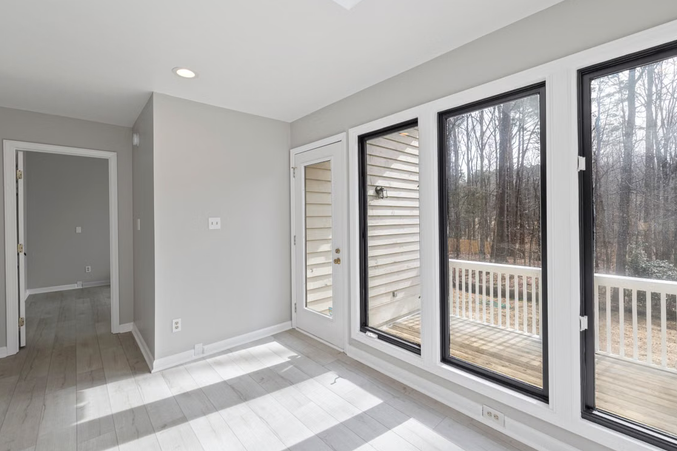
Sunlight can make a big difference in how warm a room feels. Bedrooms with large south- or west-facing windows often absorb more heat during the afternoon, particularly in sunny climates. Dark curtains, limited shade, and older windows can make the problem worse. Try closing blinds during the hottest parts of the day, using blackout curtains, or adding exterior shading where practical. Sealing gaps around windows and doors can also help prevent warm outdoor air from entering and making your cooling system work harder.
Consider Your Home’s Insulation
Insulation does more than keep your home warm during winter. It also helps prevent unwanted heat from entering during summer. Rooms with insufficient insulation, especially those near an attic or directly beneath the roof, can become noticeably hotter than the rest of the house. Check for signs of poor attic insulation and drafts around exterior walls. Improving insulation and sealing air leaks can help maintain more stable indoor temperatures throughout the year. If one upstairs room consistently feels much warmer, the attic is a good place to start investigating.
Adjust Your Thermostat Settings
Your thermostat plays an important role in maintaining a comfortable home. If it’s located in a naturally cool hallway or a room that receives little sunlight, it may register a comfortable temperature while other rooms remain warm. As a result, your HVAC system might shut off before the hottest areas reach the desired temperature. Make sure your thermostat is positioned away from direct sunlight, drafts, and heat-producing appliances. A programmable or smart thermostat may also help you manage temperature settings more effectively based on your daily routine.
Improve Air Circulation Throughout Your Home
Sometimes, a room feels hotter simply because air isn’t moving around it effectively. Ceiling fans can help circulate air and create a cooling sensation, although they don’t actually lower the room’s temperature. During warm weather, set ceiling fans to rotate counterclockwise if the model supports that setting. Keep interior doors open when practical to encourage airflow, especially in rooms that tend to feel stuffy. If certain areas still receive very little conditioned air, an HVAC professional can assess whether your system needs airflow balancing or another adjustment.
Hot and cold spots around your house can result from blocked vents, ductwork problems, sunlight, poor insulation, or an HVAC system that isn’t performing properly. Start with simple checks, such as cleaning filters and managing sunlight, before considering more involved solutions. If the problem continues, a professional inspection can help identify the cause and restore consistent comfort throughout your home.…
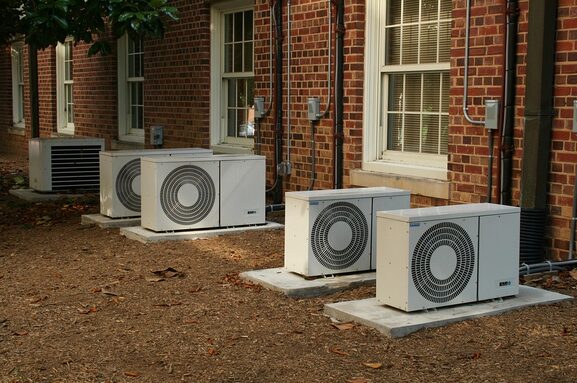

 Outdoor weather conditions directly affect many HVAC components, particularly those exposed to external environments. Heat, moisture, dust, and fluctuating temperatures can influence the condition of outdoor units and connected systems. Seasonal storms, debris accumulation, and changes in humidity may also affect performance. These environmental factors contribute to gradual wear and can affect the system’s efficiency. The interaction between weather conditions and HVAC equipment underscores why service needs often shift with the seasons.